- -$10.00


General Information & Workshop Procedures
Engine Removal & Installation
Timing Chain & Valve Timing System
Cylinder Head & Valve Train
Camshaft & Valve Control Components
Cylinder Block & Engine Bottom End
Pistons & Connecting Rods
Crankshaft, Bearings & Fasteners
Engine Reassembly & Overhaul
Engine Technical Data
Special Service Tools (SST)
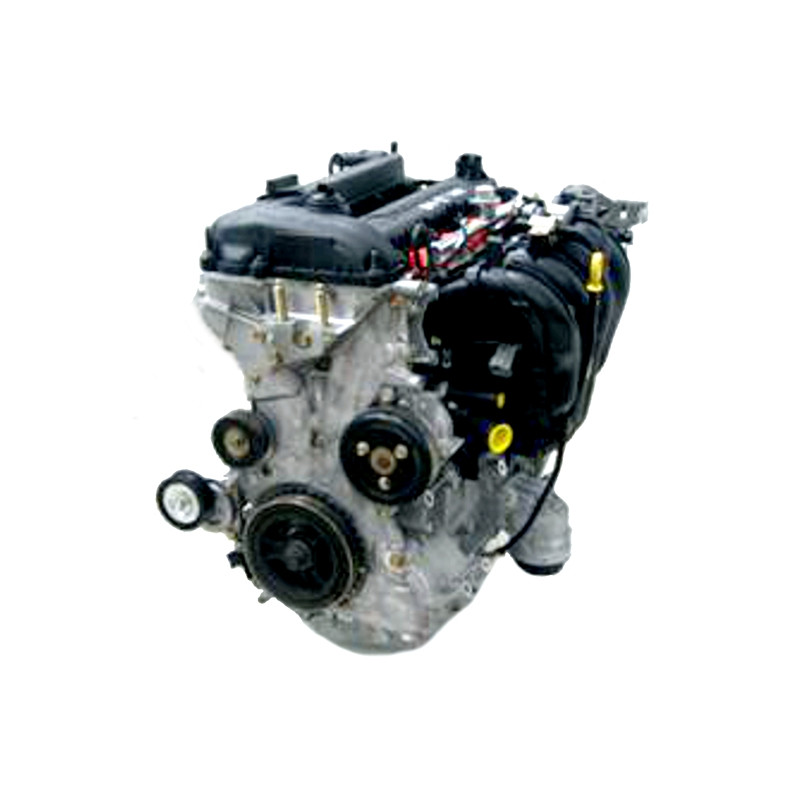
Overhauling modern aluminum four-cylinder blocks like the L8, LF, L3, and L5 requires absolute respect for mechanical tolerances. A common issue technicians encounter on these engines is persistent top-end noise after a rebuild, usually caused by misdiagnosing mechanical wear on the solid tappets or failing to properly execute valve clearance adjustments.
In many engine rebuild cases involving the Mazda L-series platform, mechanics also run into trouble with the Variable Valve Timing (VVT) actuator assembly. If the mechanical lock pin inside the actuator is worn or physically binding, the camshaft will rattle violently at startup. This technical document gives you the exact inspection routines to check the physical integrity of the VVT actuator, Oil Control Valve (OCV) mechanical spool, and camshaft bearing journals before you bolt the cylinder head back together.
This 89-page workshop reference cuts straight to the core mechanical overhaul procedures without wasting time on fluff. From pulling the block out of the bay to final torque-down, the OEM repair instructions provide a clear, methodical roadmap.
Cylinder Head & Valvetrain Overhaul Top-end longevity depends entirely on how well the valves seal and dissipate heat. This resource walks you through:
Bottom-End Rotational Assemblies Splitting the cylinder block requires meticulous organization and precision measuring tools. One frequent mistake during reassembly is overlooking the condition of the oil jet valves located at the bottom of the block. If these small mechanical cooling nozzles are bent or clogged during cylinder block disassembly, the piston skirts will overheat and score the cylinder walls under load.
To keep your rotating assembly reliable, the guide outlines:
Relying on generic torque values when tightening down an L-series cylinder head or connecting rod cap will warp the aluminum structure or crush the bearings past their lubrication limit. This engine rebuild guide features a dedicated Engine Technical Data section that compiles every factory torque specification, clearance tolerance, and wear limit in one place.
Furthermore, trying to hold camshafts or remove stubborn crank pulleys without the proper tooling often damages critical mating surfaces. The manual includes a complete catalog of required Engine Special Service Tools (SST), showing you exactly how to support the engine during mounting, dismount, and internal teardown without breaking castings.
Wiping grease off fragile paper pages every time you need to check a clearance tolerance slows down your bay efficiency. Having this concise, 89-page repair manual PDF on your shop laptop, tablet, or smartphone means you can search for "Valve Clearance Adjustment" instantly. You can zoom in on intricate timing mark diagrams to confirm chain link positioning, or print out just the cylinder head torque sequence pages to keep on your tool cart. Once the engine is assembled, toss the greasy printouts and keep your clean digital master file ready for the next job.
Access the full PDF guide now and eliminate guesswork in your repairs.
When you have an engine torn down to the short block, you cannot afford to wait days for shipping. Our delivery workflow is engineered for active service garages:
Why is my L-series engine making a loud rattling sound from the timing cover after rebuild?
Timing rattle is frequently caused by a worn mechanical lock pin inside the Variable Valve Timing (VVT) actuator or improper tensioner release during timing chain assembly. This service manual provides the specific physical inspection steps for the VVT actuator and the exact chain routing instructions to ensure zero slack.
How are valve clearances adjusted on the L8, LF, L3, and L5 engines?
These engines utilize solid bucket-style tappets without hydraulic compensation. The manual outlines the exact procedure for measuring intake and exhaust valve clearance, calculating the required lash gap, and selecting the proper replacement tappet sizes to restore factory tolerances.
Does this document detail cylinder block inspection and bore wear limits?
Yes. You get complete instructions for cylinder block inspection, including out-of-round measurement criteria, taper limits, and surface flatness tolerances required before reassembling the short block.
Can I view the timing chain assembly diagrams on an iPad or Android tablet?
Absolutely. Because the file is formatted as a standard, high-resolution PDF, it opens natively on any tablet, mobile phone, Mac, or PC without needing specialized software. You can easily pinch to zoom on timing alignment marks.