- -$10.00
- New


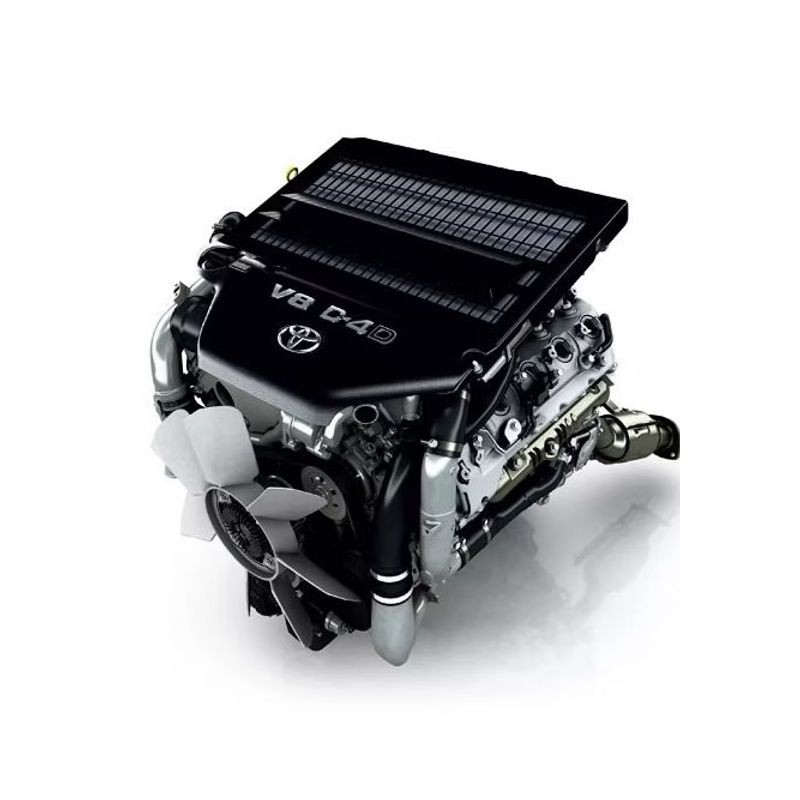
Diagnosing faults in modern common-rail V8 diesels without high-fidelity technical data is a high-risk gamble. The Toyota 1VD-FTV is a high-torque, high-heat environment where minor deviations in tolerances can lead to accelerated component wear or total system breakdown. For instance, an incorrectly seated Cylinder Head Gasket or a slight over-torque on a Fuel Injector hold-down bolt can cause microscopic fractures, eventually leading to fuel dilution or compression loss.
By utilizing this technical workshop reference, technicians can navigate the sophisticated interactions between the ECM, the Diesel Throttle Body, and the ECD System. Whether you are servicing a vehicle equipped with a DPF or one without, having the correct Service Data ensures that every adjustment—from camshaft position sensor timing to mass air flow meter calibration—contributes to the long-term reliability of the engine unit.
This 117 MB repair manual PDF offers an exhaustive mapping of the 1VD-FTV’s mechanical and electronic systems. The information is organized to support both rapid component replacement and deep-core restoration.
In practical diagnostics, the path from symptom to solution often involves complex mechanical intervention. Consider a scenario involving a loss of power and an illuminated DPF warning light. This manual provides the diagnostic path to check the Differential Pressure Sensor, the Exhaust Fuel Addition Injector, and the Exhaust Gas Temperature Sensor.
During a drivetrain or engine refresh, applying the exact torque specifications for the Front and Rear Crankshaft Oil Seals is the only way to prevent chronic leaks. Furthermore, the starting system section breaks down the Glow Plug and Pre-Heating System, which are vital for cold-start reliability. By following the factory-validated mechanical procedures, you reduce the risk of stripping threads or damaging delicate sensors like the Manifold Absolute Pressure Sensor.
Mechanical failure is rarely random; it is often the result of improper assembly. As a result of using "near-enough" torque values, internal fasteners can stretch or vibrate loose under the heavy-duty cycles of a V8 diesel. This resource provides the specific tightening sequences for the Engine Assembly, ensuring that structural integrity is maintained across all 2,770 pages of technical data.
Preventive maintenance is significantly enhanced when you can accurately test the Oil Pressure Sensor or verify the Air Fuel Ratio Sensor output against factory benchmarks. This accuracy not only saves time but prevents the "parts cannon" approach to repair, where expensive components are replaced without a confirmed diagnosis.
This is not a scanned book; it is a high-resolution, digitally indexed service manual optimized for modern workshop devices.
Start your repair project immediately with our automated delivery system:
What is the difference in the 150 A vs. 180 A Generator service?
The Toyota 1VD-FTV Workshop Manual details the specific bracketry, drive belt tensioning, and electrical output testing for both the 150 A and 180 A Generator types, ensuring you have the correct data for your specific vehicle trim.
How does this manual handle the DPF vs. non-DPF versions?
This technical document includes dedicated sections for both variations. It provides specific ECD System schematics, Mass Air Flow Meter values, and Fuel Injector part-specific data for engines with and without Diesel Particulate Filters.
Are the turbocharger torque sequences included?
Yes. The Intake - Exhaust section provides the exact torque specifications and sequences for the Exhaust Manifold W- Turbocharger, ensuring a leak-free seal and preventing manifold cracking due to uneven thermal expansion.
Can I troubleshoot the active engine mounts with this guide?
Absolutely. The manual includes diagnostic and replacement procedures for the Active Control Engine Mount and the Vacuum Switching Valve (For Engine Mounting), helping you eliminate excessive cabin vibration.