- -$10.00
- New
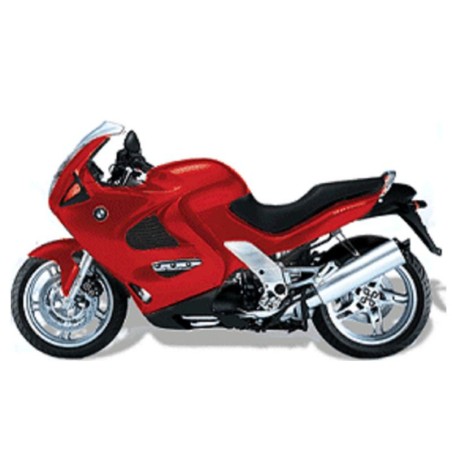


Tackling a major service on this iconic touring motorcycle means understanding the unique architecture it brings to the lift. Because this machine utilizes a longitudinally mounted 1.171 cc, liquid-cooled DOHC inline-four, the workflow differs significantly from standard transverse layouts. The power delivery relies heavily on precise alignment from the crankshaft all the way back through the transmission and into the rear wheel drive unit. This BMW K 1200 RS Workshop Manual 2001-2005 provides the unabridged technical blueprint needed to maintain, diagnose, and rebuild those systems to factory standards.
Navigating the Longitudinal Powerplant: When tearing into the engine bay, having accurate data is non-negotiable. A common issue technicians encounter with this 1.171 cc setup is improper handling of the timing gear and camshaft removal. Without referencing the exact top-dead-center locking procedures found in the manual's engine chapter, valves can easily make contact with pistons during reassembly. Furthermore, the guide thoroughly details the liquid-cooling system, highlighting crucial bleeding procedures to prevent air pockets that cause localized overheating—a fast track to head gasket failure on high-compression inline-fours.
Unlike wet-clutch systems bathed in engine oil, the dry single-plate clutch on this motorcycle demands strict environmental controls and highly specific engagement tolerances. In many engine rebuild cases, mechanics overlook the exact spline lubrication protocols for the transmission input shaft, resulting in a sticky clutch feel or premature plate wear. This manual explicitly maps out the clutch teardown, friction plate minimum thickness tolerances, and the intricate mating process between the engine block and the 6-speed manual gearbox. It completely eliminates the guesswork when buttoning up the drivetrain.
Power is useless if the chassis cannot manage it. The front fork suspension and the single-sided rear wheel drive are marvels of mechanical engineering, but they are highly sensitive to improper torque. One frequent mistake during reassembly is applying incorrect torque to the rear wheel drive pivot bearings. Over-tightening crushes the bearings, while under-tightening introduces terrifying rear-end play under heavy braking or acceleration. By utilizing the comprehensive brake, steering, and frame chapters within this guide, you guarantee that every pinch bolt, axle nut, and fluid line is secured perfectly.
Modern issues rarely stem from obvious mechanical breaks; they often hide in fuel delivery or electrical dropouts. Rather than throwing expensive sensors at an intermittent misfire, this resource guides you through the fuel preparation and control systems. It breaks down fuel tank lines, pressure testing, and the general electrical system, allowing you to trace voltage drops right to the source. The instrumentation and lighting schematics further ensure that diagnosing a dead dashboard doesn't turn into a multi-day wire-chasing nightmare.
Running 386 pages of pure technical instruction, this PDF is formatted specifically for immediate workshop deployment. You can effortlessly zoom in on dense wiring diagrams, print specific pages for greasy workbench use, and search for exact part clearances without flipping through brittle paper pages. It’s built to maximize wrenching time and minimize frustration.
You don’t have time to wait for shipping when a bike is occupying your primary lift. Access to this document is instantaneous. Once you complete checkout using your preferred method—whether that is Credit Card, PayPal, Google Pay, or Apple Pay—a secure download link is immediately dispatched to your email and stored permanently in your customer account dashboard.
I am experiencing harsh shifting. Does this resource detail the gearbox removal and inspection process?
Absolutely. The guide features a dedicated, highly detailed section exclusively for the 6-speed gearbox, detailing the entire extraction sequence, internal gear clearances, and shift fork inspection tolerances to resolve hard shifting or false neutrals.
Will this help me troubleshoot a high-idle issue related to fuel delivery?
Yes. The manual includes a comprehensive breakdown of the fuel preparation and control systems. It provides diagnostic testing values for idle actuators, throttle position sensors, and fuel pressure parameters specific to the 1.171 cc inline-four.
Are the exact torque specifications for the rear wheel drive pivot bearings included?
Precision is critical here. The document strictly outlines the staged tightening sequences and factory torque specifications for the rear wheel drive and frame connections, preventing the rapid bearing wear common in improper DIY reassemblies.
Is the PDF fully searchable so I can find specific electrical faults quickly?
Yes, the digital file allows you to quickly search for specific keywords, components, or diagnostic trouble codes, making it vastly superior to a physical book when tracing faults in the general electrical system or instrument clusters.