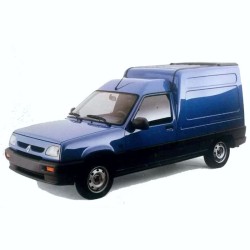
- -$10.00


Pulling the cab or digging into the engine bay of a commercial chassis requires absolute precision. Diagnosing faults in the Renault Mascott isn't just about reading an OBD scanner; it’s about understanding how heavy physical wear translates into electronic failure. The 3.0L Nissan ZD30 engine paired with ZF transmissions creates a dense network of mechanical components communicating constantly with the fuel injection and engine control systems.
If you attempt a major repair—like replacing a scored engine flywheel or overhauling the common rail system—without the exact factory wiring schematics and mechanical clearance tolerances, you are taking a massive risk with the vehicle's reliability.
In practical diagnostics, we frequently see electrical codes that are triggered by pure mechanical fatigue.
A classic example on the ZD30 engine involves the engine speed sensor and the timing setup. Technicians will often pull an erratic signal code for the engine speed sensor and immediately assume the sensor itself has shorted out. However, in many real-world repair cases, the underlying issue is physical wear on the timing chain and pinions. As the mechanical chain stretches beyond its specification, it physically throws the engine out of phase. The sensor is actually reading correctly—it's just reporting the mechanical slop. Replacing the sensor does nothing; you need this technical document to get the precise dimensions, tolerances, and procedures for a complete timing chain replacement.
Another frequent diagnostic mistake happens during clutch replacements. The Mascott utilizes specific clutch mechanisms (235DTR, 267DTR, 280DTR). If a technician fails to properly inspect the engine flywheel buckle or uses the wrong tightening torques on the operating fork during reassembly, the resulting mechanical vibration can severely disrupt the high-pressure fuel pump's metering logic, leading to rough idle complaints that mimic electrical injector failure.
This 148 MB digital workshop reference delivers exhaustive, system-level documentation covering the toughest jobs on the truck:
Commercial fleets don't tolerate rework. If you overtighten the cylinder head bolts on the ZD30 because you couldn't find the correct sequence, you risk warping the block and blowing the head gasket within a few thousand miles. Furthermore, dealing with the cab structure requires disconnecting the steering column, braking circuit, and main wiring harnesses. Overlooking a simple ground strap connection during the cab refitting process will cause widespread electrical chaos across the dashboard and exterior lighting circuits. Having the OEM service instructions on your screen prevents these costly unforced errors.
Built for the modern bay, this PDF is entirely searchable. You can quickly jump straight from the table of contents to the exact wiring circuit or mechanical assembly you need.
When a truck is tying up your heavy-duty lift, waiting for a physical book isn't an option. You can check out instantly using your preferred method: Credit Card, PayPal, Google Pay, or Apple Pay.
The second your payment clears, our system fires a download link directly to your email inbox, and the file is also permanently secured inside your customer account. This download link remains valid for 10 days or up to 10 separate downloads. If your shop Wi-Fi times out while grabbing this 148 MB manual, don't sweat it—we offer a guaranteed backup delivery via Dropbox if needed.
Not a computer guy? Watch this quick 30-second video tutorial on how to access and save your file: Download Guide Video.
If I have to tilt or remove the cab for engine access, does this guide explain the airbag precautions?
Absolutely. There is a dedicated section for "CAB + AIR BAG REMOVAL" that strictly outlines the steps to safely depower the X24 Airbag ECU, the driver/passenger modules, and the main wiring harness to prevent accidental deployment or SRS faults during heavy structural work.
Does this technical document cover both the 5-speed and 6-speed ZF transmissions?
Yes, it provides the required tightening torques, consumable product specifications, and gearshift control removal/fitting procedures for both the ZF 5 S.270 and the ZF 6 S.350 gearboxes.
What kind of fuel system data is included for the 3.0L Nissan engine?
The fuel-injection section extensively covers the common rail setup, high-pressure pump testing, and fuel injector removal. It provides the necessary precautions for opening the high-pressure lines safely, as well as the specific tightening torques required to seal the injector pipes upon reassembly to prevent micro-leaks.