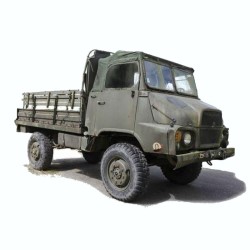
Piaggio Porter (1998–2010) — General Information & Technical Specifications
- Piaggio Porter service, repair, and maintenance information for model years 1998–2010.
- Vehicle identification, technical characteristics, overhaul specifications, and tightening torque values.
- Workshop safety guidelines, vehicle lifting points, special tools, and general repair instructions.
- Mechanical troubleshooting, inspection, and component repair procedures.
Scheduled Maintenance & Routine Servicing
- Scheduled maintenance chart and recommended service products.
- Engine oil and filter replacement, gearbox oil replacement, and differential oil replacement.
- Coolant replacement, air filter maintenance, and spark plug servicing.
- Routine settings, adjustments, and headlight alignment checks.
Engine Mechanical Repair & Overhaul
- Engine mechanical repair procedures, including cylinder head, cylinder block, pistons, connecting rods, and crankshaft.
- Engine disassembly, inspection, overhaul, and reassembly.
- Piston rings, crankshaft bearings, and related engine components.
- Cylinder head removal, valve inspection, valve guides, valve seats, and valve springs.
- Engine overhaul measurements, component specifications, and tightening torque references.
Timing Belt, Camshaft & Valve Train
- Timing belt and timing gear servicing, including timing belt replacement.
- Timing belt tensioner, crankshaft pulley, and timing pulley removal and installation.
- Valve timing adjustment and timing belt tensioning.
- Camshaft inspection, tappets, valve clearance, and cylinder head assembly.
Engine Lubrication & Oil System
- Engine lubrication system and oil pump servicing.
- Oil sump removal, oil filter cartridge, and oil pressure sensor.
- Lubrication system inspection and repair.
Engine Cooling System
- Cooling circuit, radiator, thermostat, and coolant pump.
- Water pump removal, inspection, and installation.
- Coolant temperature sensor and cooling system checks.
- Cooling system maintenance and coolant replacement.
Fuel Injection & Engine Management
- Electronic fuel injection system, control unit, and associated components.
- Fuel injection system operating principles, component locations, and connector terminal arrangements.
- Engine diagnostic procedures, diagnostic trouble codes (DTCs), and troubleshooting routines.
- Fuel pump control and ECU-related diagnostic checks.
- Engine sensor testing, including intake air temperature, coolant temperature, oxygen sensors, and pressure sensors.
Engine Diagnostic Trouble Codes & Fault Finding
- Diagnosis of starting difficulties, abnormal exhaust smoke, excessive oil consumption, and low oil pressure.
- Fuel mixture faults, ignition misfires, and oxygen sensor malfunctions.
- Diagnostic procedures for intake pressure, engine temperature, camshaft-related signals, and vehicle speed signals.
- Catalytic converter efficiency, evaporative emissions, and EGR-related fault diagnosis.
- Dedicated diagnostic information for P-code faults, including P0110, P0115, P0130, P0171, P0172, P0300, P0301, P0420, P0443, and P0500, among others.
Emission Control & Exhaust Systems
- Catalytic converter and exhaust emission control system.
- Evaporative fuel vapor control and exhaust gas recirculation (EGR).
- Exhaust system inspection and carbon monoxide (CO) checks.
- Exhaust pipe and related component servicing.
Clutch System
- Clutch removal, installation, inspection, and overhaul.
- Clutch pedal servicing and adjustment.
- Troubleshooting clutch slipping, dragging, difficult disengagement, and operating noise.
Manual Gearbox & Transmission
- Manual gearbox removal, disassembly, inspection, and reassembly.
- Input shaft, main shaft, transmission shaft, and gear selection components.
- Gearbox servicing and repair procedures.
- Diagnosis of difficult gear engagement, gears disengaging unexpectedly, and gearbox noise.
Differential & Transmission Shafts
- Differential removal, disassembly, and reassembly.
- Transmission shaft inspection, removal, and installation.
- Drivetrain component servicing and differential oil maintenance.
Braking System
- Brake pedal inspection, adjustment, removal, and installation.
- Brake fluid reservoir and brake booster inspection.
- Front disc brake pads, brake discs, and caliper servicing.
- Rear brake components and associated repair procedures.
- Parking brake lever, parking brake cable, and adjustment.
- Load Sensing Proportioning Valve (LSPV) inspection, adjustment, and servicing.
- Diagnosis of overheating brakes, locked brakes, and abnormal brake pedal response.
Steering System & Wheel Alignment
- Steering column, steering wheel, steering box, and steering rack servicing.
- Steering arms, universal joints, and tie-rod inspection and replacement.
- Steering component removal, installation, and adjustment.
- Wheel alignment procedures and steering-related troubleshooting.
Front & Rear Suspension
- Front shock absorber, suspension arm, and wheel hub removal.
- Rear shock absorbers, wheel hubs, and leaf spring servicing.
- Suspension inspection, adjustment, and component repairs.
- Diagnosis of suspension noise, vibration, and handling problems.
Starting, Charging & Ignition Systems
- Starter motor removal, disassembly, inspection, bench testing, and installation.
- Alternator removal, inspection, reassembly, and installation.
- Ignition system checks and electronic control unit information.
- Starter motor and alternator component servicing.
Lighting, Instrument Cluster & Electrical Components
- Headlight, turn signal, taillight, license plate light, and interior lamp replacement.
- Fog lights, reversing lights, and rear fog light components.
- Instrument cluster, warning indicators, and dashboard equipment.
- Ignition switch, brake light switch, parking brake switch, and headlight adjustment controls.
- Windscreen and rear window wiper mechanisms.
- Heated rear window and related equipment.
Heating, Ventilation & Air Conditioning
- Passenger compartment heating and ventilation equipment.
- Air conditioning components and associated controls.
- Cooling-related components and system information.
Body, Chassis & Interior Components
- Windscreen, side windows, rear window, and associated glazing procedures.
- Doors, door panels, locks, handles, and window lifting mechanisms.
- Sliding door mechanisms, guides, rollers, and adjustment procedures.
- Rear doors, tailgate, front bumper, grille, and exterior lighting units.
- Instrument panel, seats, seat belts, and fuel tank.
- Body component removal, installation, and adjustment.
Tipper Version — Hydraulic System & Mechanical Repairs
- Dedicated repair information for the Piaggio Porter tipper version.
- Tipper hydraulic circuit and associated components.
- Tipping platform removal and installation.
- Hydraulic lifting cylinder servicing.
- Hydraulic pump, electric motor, and valve body disassembly and reassembly.
- Pressure relief valve inspection and calibration.
Pre-Delivery Inspection & Vehicle Checks
- General pre-delivery inspection and vehicle preparation procedures.
- Tire pressure, wheel fastener tightening, and exterior lighting checks.
- Engine oil, coolant, brake fluid, ignition timing, and idle checks.
- Steering, brakes, wipers, seat belts, horn, and vehicle controls.
- Chassis inspection, fluid leak checks, and road testing.
Workshop Labor Time Reference
- Dedicated Time-Sheet section covering workshop repair operations.
- Labor time reference entries for engine, gearbox, clutch, differential, suspension, brakes, and steering.
- Additional entries for body components, windows, doors, dashboard, heating, and other vehicle equipment.
The Reality of Fleet Servicing
Tackling a top-end rebuild on a high-mileage delivery van requires zero guesswork. When a commercial vehicle enters the shop with low compression or a slipping clutch, technicians know that slapping parts together without checking runout is a recipe for disaster. The Piaggio Porter 1998-2010 generation, particularly those equipped with the 1.3L 16-Valve Electronic Fuel Injection (EFI) engine, demands strict adherence to factory tightening sequences. This 900-page workshop reference delivers the exact mechanical tear-down procedures required to keep these utility vehicles profitable.
In many engine rebuild cases, a common issue technicians encounter is failing to properly align and tension the timing belt on this 16-valve setup. Skipping the factory tensioning procedure often leads to accelerated guide wear or, worse, catastrophic piston-to-valve contact. This resource lays out the entire timing belt replacement protocol, alongside critical clearance tolerances for valve guides, valve stems, and camshaft journals.
Chassis Dynamics & The Pianale Ribaltabile
Unlike standard passenger cars, this platform was built in highly varied configurations—from standard vans to chassis cabs and the heavy-duty Tipper. The structural stresses placed on the rear leaf springs (balestra) and rear drum shoes are immense.
One frequent mistake during reassembly of the rear braking system is completely ignoring the Load Sensing Proportioning Valve (LSPV). If a technician replaces the rear shoes but fails to adjust the LSPV according to the cargo platform's static weight, the rear wheels will lock up under panic braking when unloaded. This technical document provides the exact pressure gauges and linkage adjustments needed to calibrate the valve correctly.
Furthermore, if your shop handles the specialized Tipper version, generic repair instructions are useless. You will find dedicated servicing sections for the dump hydraulic circuit. It covers everything from tearing down the electric motor and pump assembly to bench-testing and calibrating the pressure relief valve, ensuring the dump platform operates at maximum load capacity without blowing seals.
Electronic Fuel Injection & OBD Data
The transition to the 1.3L EFI engine brought a whole new layer of diagnostic complexity. When the engine starts blowing black smoke or throws a random misfire, throwing sensors at the manifold gets expensive fast.
During troubleshooting, having access to the official Piaggio diagnostic trouble codes (like P0171 for lean conditions, or P0500 for vehicle speed sensor faults) drastically cuts down diagnostic time. You can map out the Engine Control Unit (ECU) pinouts directly to the sensors. The file also deeply covers electrical bench tests for the starter motor and alternator, plus routing for the GEMINI alarm system, allowing you to trace parasitic draws or immobilizer lockouts right to the source ground points.
Time-Sheets & Standardized Operations
Professional shops need to bill accurately. To support this, the guide includes a highly detailed flat-rate Time-Sheet section. Whether you are billing for a front suspension arm removal, an oil pump replacement, or a complete manual gearbox overhaul, you have the manufacturer's standardized labor hours right in front of you.
Grab the complete Piaggio Porter Workshop Manual 1998-2010 now and eliminate guesswork in your daily commercial repairs.
Digital Toolbox Access & Delivery
We know that commercial downtime is expensive. Secure your PDF files instantly at checkout using Google Pay, Apple Pay, PayPal, or any major Credit Card.
Once your payment clears, the download link is instantly pushed to your inbox and stored securely in your customer account. Your access grants you 10 downloads over a 10-day period, making it incredibly easy to load the 900-page document onto your shop's diagnostic Toughbook, a front-office PC, and your mobile phone. If a strict firewall blocks your shop's network, we guarantee a backup delivery via a direct Dropbox link.
Get immediate access to the full service manual and start diagnosing with precision.
Technician Q&A
What specific tolerances are provided for a 1.3L 16V engine rebuild?
The engineering breakdown is exhaustive. You will find exact measurements for cylinder-piston oversizes, piston ring end-gaps, rod head clearances, and strict dimensions for valve stems versus valve guides. It also details the specific torque specs and tightening patterns for the engine head (testata motore).
Does this technical document cover the hydraulic lift system on the dump models?
Yes, it includes a dedicated chapter exclusively for the Tipper (Pianale Ribaltabile) variant. It walks you through removing the dump platform, tearing down the hydraulic jack, and rebuilding the electric pump/valve body assembly.
I have a delivery van where the sliding side door keeps binding. Is that hardware covered?
Absolutely. High-mileage vans notoriously destroy their sliding door rollers. The bodywork section covers the removal, inspection, and adjustment of the sliding side door tracks, locking mechanisms, and the specific guide rollers (guide e rulli) to restore smooth operation.
How does the resource handle EFI diagnostics?
It provides a complete master list of P-codes specific to the 1.3L ECU. For instance, if you pull a P0115 (coolant temperature circuit) or P0300 (random misfire), the diagnostic charts walk you through the voltage and resistance checks required at the sensor and the ECU pin to isolate the short or open circuit.