- -$10.00
- New
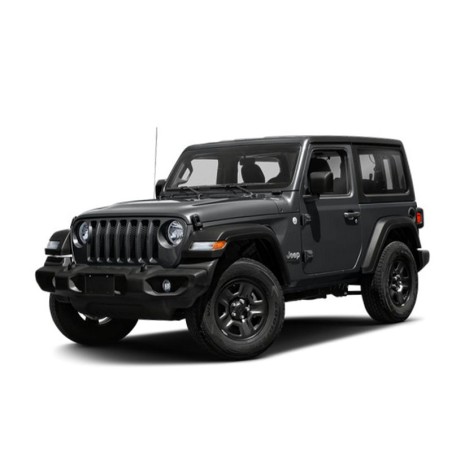


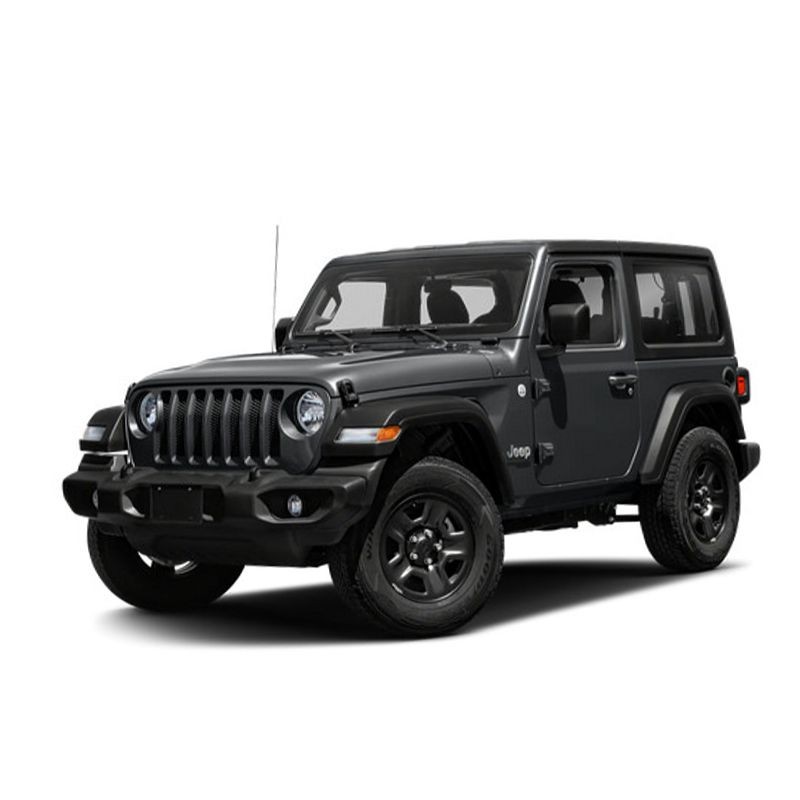
Wrangler electrical diagnostics changed completely around the 2018 model year. When a customer drags a rig into the bay with a dash lit up like a Christmas tree, erratic shifting, and a "Service Shifter" message, the instinct is often to blame the Transmission Control Module. But seasoned Jeep technicians know better. Nine times out of ten, the auxiliary battery for the Engine Stop/Start (ESS) system has degraded, pulling the main battery's voltage down and corrupting the entire CAN-bus network.
Without the exact factory electrical schematics, finding the Power Control Relay and mapping the isolation circuit between those two batteries is an exercise in pure frustration. This 518-page technical document is built exactly for these scenarios, giving you the wire-by-wire breakdown needed to verify voltage drops rather than blindly throwing expensive modules at the problem.
The sheer variety of powertrains introduced between 2017 and 2021 means you absolutely cannot rely on a single generic schematic. This workshop reference maps the power distribution and module interactions for every specific engine option offered during this era.
Let’s look at a common failure pattern on this platform. You've got a Wrangler where the Wiper/Washer runs constantly, or the Horn won't stop blaring. On older Jeeps, you'd pull the clockspring or swap the stalk switch. On this generation, these are multiplexed signals running straight to the Body Control Module.
Using this EWD manual PDF, you can trace the sensor input directly to the ECU response. You'll find the specific ground distribution points—often located in the passenger footwell or near the driver's kick panel—that are highly susceptible to water intrusion from deep trail wading or leaking freedom panels. A quick continuity check at the splice points identified in the diagrams allows you to clean a corroded chassis ground instead of condemning a perfectly good $600 BCM.
A wiring diagram is only as good as its readability. We’ve all squinted at blurry, tenth-generation scans of paper manuals while trying to decipher wire colors.
You’ve got a Wrangler tying up a lift—you need data right now, not next week. Our checkout and delivery system is built for shop floor speed.
I have a 2018 model; does this cover the outgoing JK or the incoming JL body style?
Because 2018 was a split year for the Wrangler, this manual covers the complex electrical architectures introduced with the JL platform, alongside the systems present in the final run of the JK (2017–2018). The inclusion of the 2.0L Turbo Hybrid and 3.0L EcoDiesel diagrams specifically addresses the JL generation's unique harnessing.
Can I use these diagrams to track down a parasitic draw on the 2.0L Turbo Hybrid system?
Absolutely. The manual includes dedicated "Engine Performance" and "Starting/Charging" sections specifically for the 2.0L Turbo Hybrid. This allows you to isolate the 12V system from the 48V eTorque components when conducting a parasitic draw diagnosis, showing exactly which fuses remain hot during the vehicle's sleep cycle.
Are the connector views detailed enough to back-probe the Electronic Suspension module?
Yes. The diagrams provide precise connector pinouts and terminal views. This means you can identify exactly which wire is the 5V reference and which is the signal return for the electronic sway-bar disconnect, allowing you to back-probe the harness safely without piercing the wire insulation.
How do I find the specific ground point for the taillights if I suspect water damage?
Navigate to the "Ground Distribution" section of the document. It provides a physical layout of the chassis, indicating exactly where grounding points like G301 or G302 are bolted to the tub. This saves you hours of pulling up carpets and rear trim panels blindly.
Get immediate access to the full service manual and start diagnosing with precision.