- -$10.00


Engine General Information & Service Procedures
Cylinder Head & Valve Train
Camshaft & Timing Belt System
Crankshaft & Engine Sealing
Exhaust System Components
Engine Lubrication & Oil Pan
Engine & Transmission Configurations
Engine Accessories
Engine Mechanical Repair & Assembly
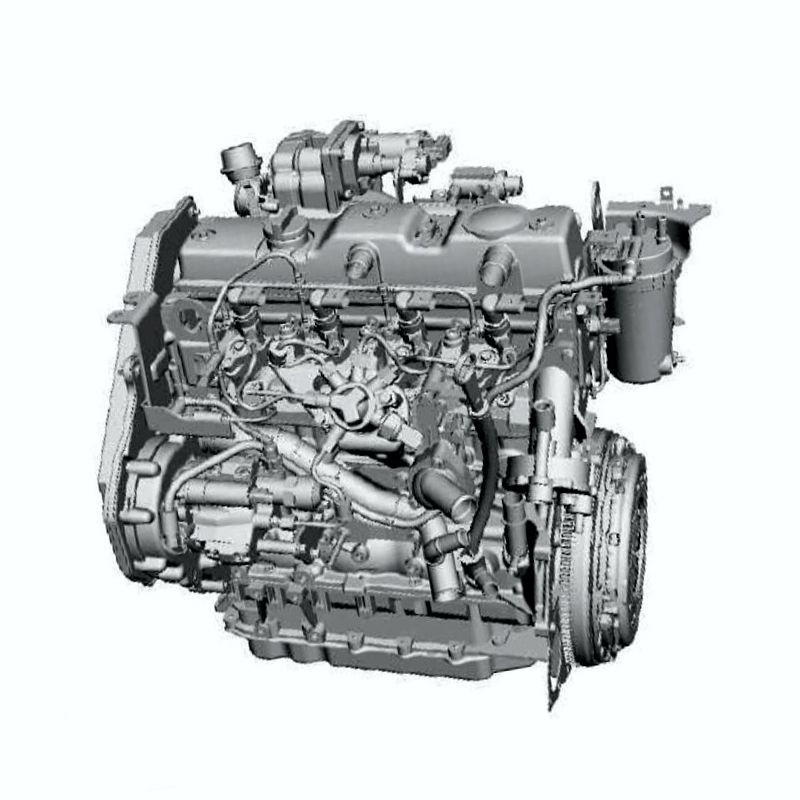
In many engine rebuild cases involving the Ford 1.8L Duratorq-TDCi (74kW-100PS), technicians encounter catastrophic bottom-end failures simply because the crankshaft pulley was not torqued using the mandated multi-stage tightening sequence. This pulley plays a vital role in clamping the lower timing assembly. If improper torque is applied, rotational slippage occurs, altering the mechanical timing and causing immediate internal damage.
During practical diagnostics, a common mistake technicians make is overlooking worn valve stem seals or incorrect valve clearances when chasing compression loss. This technical document removes the guesswork from top-end overhauls. It outlines the exact physical clearances required for the intake and exhaust valves, ensuring proper seating and heat dissipation across the cylinder head.
The 869-page workshop reference provides an exhaustive breakdown of the engine's mechanical architecture. Whether you are stripping a high-mileage block down to the bare metal or servicing specific accessories, the OEM repair instructions keep your bench work organized and technically precise.
Cylinder Head & Valvetrain Mechanics Top-end reliability hinges on meticulous disassembly and inspection. The manual details:
Timing Chain & Drive Systems One frequent mistake during reassembly is failing to correctly align the timing cover before securing the timing chain and tensioners. Misalignment here creates oil leaks and accelerates guide wear. This resource walks you through the complete timing chain removal and assembly procedure, including mechanical locking points and timing cover sealing protocols.
A rebuilt diesel block is only as good as its oil film retention and mechanical sealing. This engineering breakdown delves deep into the rotating assembly and lubrication points that keep the 1.8L Duratorq-TDCi alive under heavy loads.
Wrestling with a greasy, torn paper binder slows down complex repairs. This high-resolution PDF workshop guide brings instant usability to your service bay. You can search directly for specific torque numbers, zoom in on intricate timing chain routing diagrams, or print out just the cylinder head tightening sequence pages to take right to the vehicle fender. Once the job is done, simply discard the soiled printouts and keep your digital master file clean on your shop laptop or tablet.
Download the complete workshop manual PDF instantly and perform repairs with confidence.
When an engine is torn down on your workbench, you need technical data immediately. Our digital delivery system is built to keep your garage moving without shipping delays:
Why do timing chains on the 1.8L Duratorq-TDCi jump or wear prematurely?
Accelerated chain wear is often tied to improper oil pump pressure or using incorrect torque on the timing guide fasteners during a previous repair. This manual provides the exact wear limits for the chain and guides, alongside the factory tightening sequences required to keep the timing geometry stable.
How precise are the valve clearance tolerances during a top-end refresh?
Diesel compression ratios require zero tolerance for guessing. The document provides specific intake and exhaust valve clearance measurements, showing you exactly how to verify and adjust the mechanical lash to prevent burned valves.
What mechanical steps are required to replace the crankshaft rear seal?
The guide outlines the complete mechanical teardown needed to access the rear seal, including flywheel removal, seal housing inspection, and the precise press-in depth required to prevent oil leaks at the rear main journal.
Will the PDF format allow me to print specific cylinder head tightening sequences?
Yes. You can open the PDF on any PC, Mac, tablet, or smartphone and print individual pages—such as the cylinder head bolt torque pattern or oil pan bolt diagram—to use at your workbench.