2AZ-FE Manual Index
Engine Mechanical
- Complete 2AZ-FE engine mechanical service, including engine assembly and engine unit procedures.
- Disassembly, inspection, and assembly of the cylinder block, cylinder head, and camshafts.
- Service procedures for cylinder head gaskets, front and rear crankshaft oil seals, drive belts, and valve clearance adjustments.
Engine Control & Ignition Systems
- Diagnostic and service procedures for the Sequential Multiport Fuel Injection (SFI) system and Engine Control Module (ECM).
- Ignition system maintenance, including ignition coils, spark plugs, and relays.
- Removal, installation, and inspection of engine controls such as the accelerator pedal, throttle body, and camshaft oil control valves.
- Sensor servicing: Mass Air Flow (MAF) meters, knock sensors, camshaft position sensors, crankshaft position sensors, engine coolant temperature (ECT) sensors, air-fuel ratio sensors, and heated oxygen sensors.
Fuel & Emission Control Systems
- Fuel system service covering the fuel tank, fuel pump, fuel injectors, fuel pressure regulators, fuel pressure pulsation dampers, and fuel sender gauge assemblies.
- Emission control system maintenance, including canisters, purge valves, PCV valves, and fuel tank caps.
Intake & Exhaust Systems
- Service and repair procedures for the intake system, intake manifold, exhaust manifold, and exhaust pipes.
Cooling & Lubrication Systems
- Engine cooling system maintenance, covering the radiator, water pump, thermostat, cooling fan motors, coolant, and relays.
- Lubrication system service, including the engine oil cooler, oil pump, oil pressure switch, and oil/filter maintenance. Includes specific torque specifications.
Starting, Charging & Battery Systems
- Charging system maintenance, including the generator, battery, battery current sensors, and battery thermometer sensors.
- Starting system service covering the engine switch, starting relays, and starter motors (specific coverage for 1.6 kW and 1.7 kW types).
Technical Overview: The 2AZ-FE Powerplant
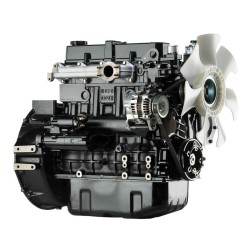
The Toyota 2AZ-FE is a robust 2.4-liter aluminum block engine that serves as a cornerstone of Toyota's mid-size vehicle lineup. Featuring dual overhead cams (DOHC) and VVT-i technology, this engine unit is designed for a balance of torque and reliability. However, its lightweight alloy construction makes it highly sensitive to thermal stress and incorrect fastener tension. During troubleshooting, technicians often face challenges related to the valvetrain or oil consumption management, both of which require specific data to resolve effectively.
The mechanical architecture of the 2AZ-FE relies on precise interaction between the Crankshaft Position Sensor, the Camshaft Oil Control Valve, and the electronic control unit (ECM). Modern mechanical systems in this engine require an understanding of how these components influence combustion timing and fuel delivery. For instance, a minor vacuum leak in the Throttle Body or an obstruction in the PCV Valve can lead to erratic idling that generic scanners may struggle to pinpoint. This workshop reference provides the necessary depth to navigate these complexities, ensuring the vehicle's structural integrity remains uncompromised.
Engineering Breakdown & System Coverage
This resource is partitioned into high-fidelity technical modules, ensuring that no sensor, bolt, or gasket is left undocumented.
Internal Mechanical Overhaul & Valvetrain
The core of this technical document focuses on the Engine Mechanical section, providing the data necessary for a total block restoration:
- Cylinder Head & Gasket: Rigorous component removal and installation steps to ensure perfect compression sealing.
- Valve Clearance Adjustment: Specialized data for measuring and shimming valves to maintain optimal flow and prevent noise or burnt valves.
- Sealing Integrity: Validated procedures for replacing both the Front and Rear Crankshaft Oil Seals.
Cooling & Lubrication Architecture
Efficient thermal management is vital for an aluminum engine. This workshop reference details:
- Cooling Circuit: Comprehensive guides for the Water Pump, Thermostat, and Cooling Fan System, including specific torque specifications for coolant housing fasteners.
- Lubrication System: Maintenance of the Oil Pump, Engine Oil Cooler, and high-pressure oil passages.
Fuel, Induction, and Exhaust
Proper air-to-fuel ratios are managed through a series of precision mechanical systems:
- SFI System: Technical specs for Fuel Injectors, the Fuel Pressure Regulator, and the Fuel Pressure Pulsation Damper.
- Induction/Exhaust: Procedures for the Intake Manifold and Exhaust Manifold, ensuring the engine breathes without restriction.
Engine Control & Sensors
Calibration is the key to engine efficiency. This resource includes data on:
- Sensor Network: Testing the Mass Air Flow Meter, Air Fuel Ratio Sensor, and Knock Sensor.
- Ignition: Complete breakdown of the Ignition Coil and Spark Plug requirements for the 2AZ-FE.
Real-World Repair Scenarios
In practical diagnostics, the difference between a successful fix and a repeat failure lies in the application of accurate tolerances. This workshop reference facilitates several critical interventions:
- Full Engine Unit Reassembly: During reassembly, following the factory-standard tightening sequences is the only way to prevent cylinder head warping or block thread failure.
- Starting System Diagnosis: Troubleshooting intermittent starting issues is made easier with data on the Starter (1.6 kW vs. 1.7 kW types) and the Starting System relays.
- VVT-i System Service: Replacing the Camshaft Oil Control Valve requires specific electrical and mechanical checks provided in the Engine Control module to verify correct cam phasing.
- Drive Belt Maintenance: Accurate tensioning procedures for the Drive Belt ensure that auxiliary components like the Generator operate without slippage.
Why Accurate Data Matters in the Workshop
As a result of modern manufacturing standards, the risks of performing high-level repairs on a Toyota 2AZ-FE without the correct torque specifications cannot be overstated. Aluminum threads in the cylinder block are easily stripped by over-torquing, while insufficient tension on the cylinder head bolts can lead to immediate head gasket failure. Furthermore, incorrect valve clearance can result in significant power loss or permanent damage to the camshaft lobes.
Therefore, this technical document acts as a safeguard for your shop's reputation. It reinforces the necessity of using the correct lubrication points and following validated assembly procedures. By eliminating guesswork, you drastically reduce the time spent on diagnostics and the cost of replacement parts damaged by improper component removal techniques. For any technician working on this engine, this is the definitive technical authority.
Technical Features
- 1,702 Pages: Comprehensive coverage of the 2.4L engine unit.
- Searchable PDF: Effortlessly jump to specific systems like "Cooling" or "Fuel" using keyword search.
- Zoom Capability: High-resolution technical diagrams allow for detailed viewing of fastener locations and sensor pins.
- Cross-Device Compatibility: Optimized for viewing on tablets, laptops, and smartphones at the service bay.
Payment & Instant Delivery
We provide an automated acquisition process to get you back to your repair in seconds:
- Payment Methods: We accept all major Credit Cards, PayPal, Google Pay, and Apple Pay.
- Delivery Process: Your unique download link is dispatched to your email immediately upon purchase and is also accessible via your customer account dashboard.
- Conditions: The download link remains valid for 10 days or 10 downloads.
- Guarantee: Backup delivery via Dropbox if needed.
- Video Tutorial: Need help with the download? Watch our guide here: Video Tutorial: How to Download.
Frequently Asked Questions
What are the specific valve clearance values for a cold 2AZ-FE engine?
The 2AZ-FE Engine Mechanical section provides the exact factory tolerances for both intake and exhaust valves when cold, including the specific shimming data required for adjustment.
Does this guide cover both the 1.6 kW and 1.7 kW starter motor versions?
Yes. In turn, the Starting section provides different assembly procedures and testing data for both the 1.6 kW and 1.7 kW starter types used in this model.
I’m dealing with an oil pressure light; can I find the oil pump specs here?
Absolutely. The Lubrication module details the Oil Pump removal, inspection, and the specific pressures the Oil Pressure Switch should detect at varying RPMs.
How soon after purchase will I receive the link?
Delivery is automated. Therefore, you will receive instant access service manual links in your inbox and account dashboard immediately after checkout.