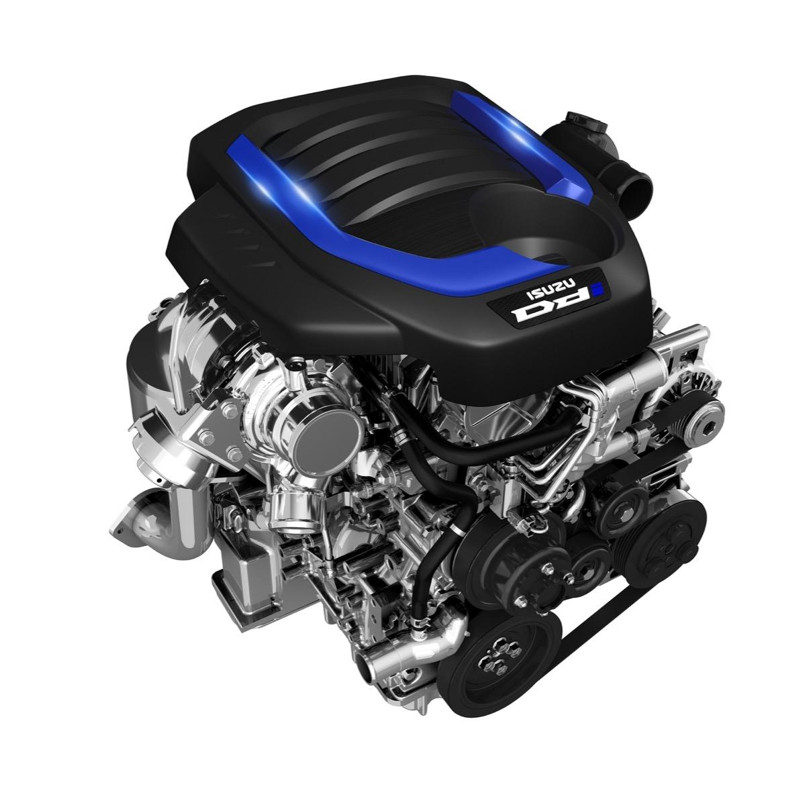
- -$10.00
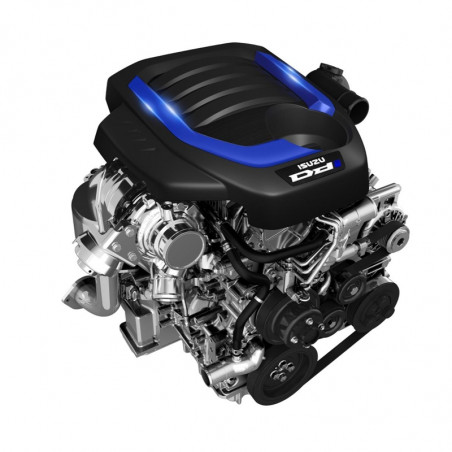


One frequent mistake during reassembly is rushing the installation of the timing chain and idle gear configuration. In many engine rebuild cases, technicians treat these modern, downsized commercial powerplants like older, more forgiving blocks. If the timing chain slack or gear backlash isn't verified using precise factory specifications, you risk tooth skip or excessive friction, which quickly ruins the valvetrain components.
A common issue technicians encounter stems from uneven tensioning across the main block and crankcase assemblies. Because this vehicle relies on a highly integrated structural architecture where the engine block, crankshaft pulley, and flywheel housing work in tight geometric harmony, a minor misalignment ripples through the entire drivetrain. Misaligning the rear plate or flywheel housing by a fraction of a millimeter places uneven load on the oil seals, generating localized heat and accelerated wear patterns that cause chronic leaks.
This workshop reference breaks down the mechanical systems of the internal combustion assembly into highly digestible, actionable chapters. From the upper valvetrain layout down to the deepest internal oil galleries, every major component interaction is systematically documented across 412 pages.
The manual provides exhaustive instructions for cylinder head cover removal and installation, alongside deep dives into camshaft inspection and reassembly. For structural precision, the text covers:
Moving below the pistons, this resource dictates precise mechanical tear-down procedures for the crankshaft and crankcase. Every journal roundness check, oil clearance evaluation, and piston ring gap configuration must meet the provided RZ4E-TC clearance tolerances. The text covers the exact methods for separating and indexing connecting rods, measuring bore taper within the cylinder block, and ensuring the crankshaft front and rear oil seals are square to the bore.
In real-world repair scenarios, attempting to torque critical structural fasteners by "feel" or generic charts invites immediate mechanical failure. The cylinder head installation on this engine uses an aggressive multi-stage sequence that must be followed flawlessly.
Without exact OEM repair instructions, you risk over-stretching the specialized bolts or stripping threads within the aluminum block casting. This technical document removes the risk, defining every factory torque parameter, thread lubrication point, and specialized sealant location. Adhering to these strict constraints ensures that your oil pan, crankcase, and front covers seal perfectly, saving hours of warranty rework and thousands of dollars in ruined components.
Forget thumbing through greasy, torn paper binders on a messy workbench. Access the full PDF guide now and eliminate guesswork in your repairs. This digital manual is optimized for clean multi-device compatibility, allowing you to use it on your smartphone, shop tablet, or desktop computer. High-resolution technical diagrams maintain total clarity even when using extreme zoom capability to inspect precise timing marks or exploded component layouts. The cleanly indexed structure means you can jump from a cylinder head bolt sequence straight to the flywheel disassembly procedures in seconds.
We understand that time on the engine hoist is valuable. For this reason, our digital delivery protocol is engineered to get data to your screen instantly.
Get immediate access to the full service manual and start diagnosing with precision.
What is the correct procedure for aligning the idle gear during timing chain installation?
The manual contains an extensive, dedicated guide for both timing chain installation and idle gear positioning. It breaks down the exact alignment marks, component positioning, and checking procedures across pages 32 to 120 to ensure your timing system stays perfectly phased.
Does this document outline the explicit wear limits for the piston rings and cylinder walls?
Yes. Sections 35 and 44 detail the factory-level inspection criteria for the pistons and cylinder block. It includes exact micrometer wear limits, ring-to-groove clearances, and bore taper maximums to help you determine if machining is required.
How does this manual handle the replacement of the front and rear oil seals?
The resource provides clean, isolated steps for the removal and installation of both the crankshaft front oil seal and rear oil seal. It highlights the depth metrics and specialized seating procedures needed to prevent oil leakage into the flywheel housing.
Is this PDF file compatible with mobile devices out in the workshop?
Absolutely. The 412-page file is a fully unlocked, standard PDF document. It runs flawlessly on any modern iOS, Android, or Windows device, allowing you to easily read structural schematics right next to the vehicle.