- -$10.00
- New
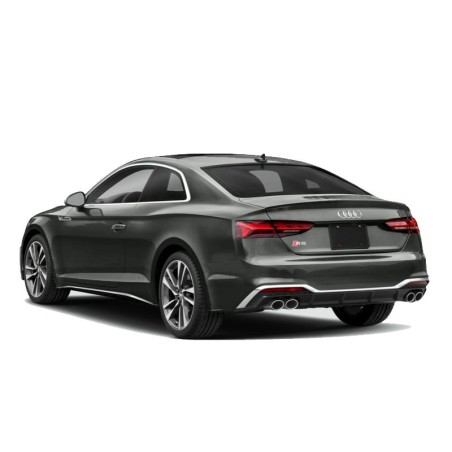


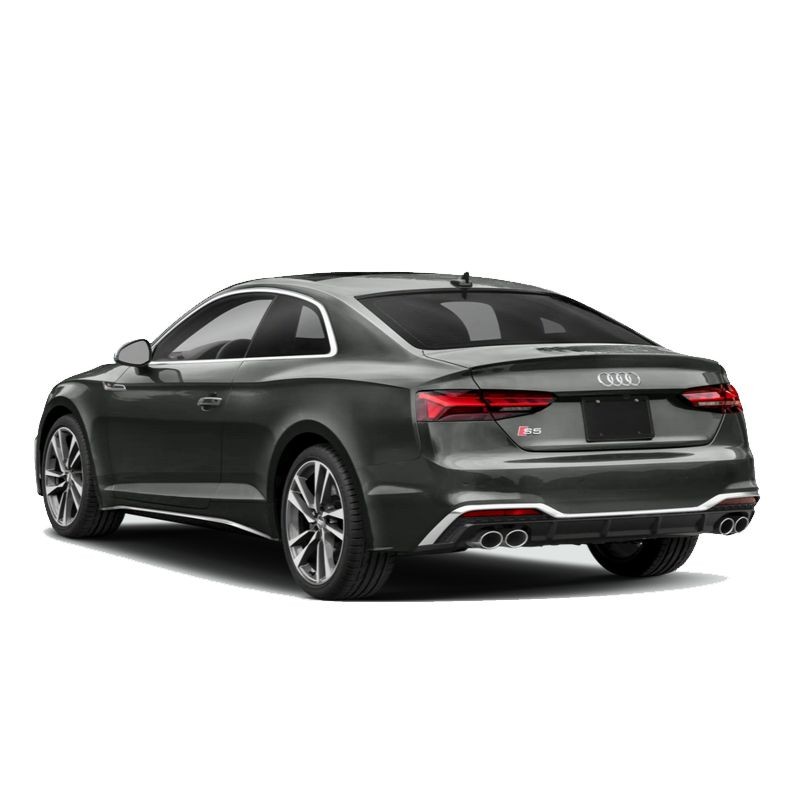
Modern automotive platforms like the Audi S5 represent a pinnacle of decentralized processing. In this vehicle, the electrical grid isn't just a collection of wires; it is a sophisticated nervous system where power distribution is managed by intelligent modules that talk in real-time. The transition from the 2019 early models to the 2022 facelift saw an increase in sensor density, particularly within the Engine Performance and Active Anti-Theft systems.
This workshop reference illuminates the path from sensor input to ECU response. In turn, you can visualize how a signal from the twin-scroll turbocharger sensors interacts with the transmission control unit to optimize shift interlock timing. Understanding this hierarchy is essential because a single high-resistance point in the ground distribution can trigger a cascade of unrelated trouble codes across the Instrument Cluster and Navigation systems.
In practical diagnostics, having a visual representation of a circuit is the difference between a ten-minute fix and a three-day teardown. Imagine a scenario where the Electronic Suspension throws a damping fault. Rather than replacing expensive struts blindly, a technician can use this technical document to perform a voltage drop analysis at the control module connector.
Furthermore, if you are chasing a "no-start" condition, you can trace the Starting/Charging logic through every relay and fuse box layout. During troubleshooting, you can use a multimeter to verify continuity between specific terminal locations, effectively isolating an open circuit within the harness routing before it causes permanent module damage.
This resource leaves no stone unturned, providing high-resolution schematics for the following systems across the 2019, 2020, 2021, and 2022 model years:
From a diagnostic perspective, using generic "Audi" data on a vehicle as complex as the S5 is a recipe for disaster. Audi frequently updates wire colors, splice points, and fuse box layouts during mid-cycle refreshes. For this reason, relying on this year-specific EWD manual PDF is the only way to ensure you don't inadvertently probe a sensitive 5V reference line with a 12V test light—a mistake that could instantly fry the powertrain control module. Therefore, accurate wiring diagrams download is a protective measure for both the vehicle and your shop's profitability.
Getting your hands on this Audi S5 Wiring Diagram 2019-2022 is an automated and secure process. We understand that in a repair environment, every minute counts.
Need help with your purchase? Watch the guide here: Video Tutorial: How to Download.
How do I trace an intermittent fault in the Audi S5 Active Anti-Theft system?
As a result of the integrated nature of Audi security, you should start by reviewing the Anti-Theft and Body Control Modules chapters. These diagrams will show you the interaction between the interior motion sensors and the central gateway, allowing you to test for signal integrity at the specific B-pillar connectors.
Does this technical document cover the 2021 B9.5 facelift electrical changes?
Yes. The manual includes dedicated sections for the 2021 EWD S5 and 2022 EWD S5, reflecting any updates to the MIB3 infotainment bus and the upgraded exterior LED lighting circuits that were introduced during the refresh.
Can I use these diagrams to troubleshoot a parasitic drain in the Instrument Cluster?
You should consult the Power Distribution and Instrument Cluster sections. By following the fuse box layouts, you can perform a voltage drop test across the fuses to isolate which branch of the power grid is failing to enter "sleep mode" after the vehicle is locked.
Are the connector terminal locations clearly labeled for the 3.0L Turbo engine?
The manual includes specific connector pinouts within the Engine Performance diagrams. This allows you to verify voltage and ground directly at the harness plug for the turbocharger control solenoids, preventing the unnecessary removal of engine components.
Access the full PDF guide now and eliminate guesswork in your repairs.